Cold Plunge Safety: Medical Conditions & Precautions Guide
Cold plunge therapy offers remarkable health benefits, but it's crucial to understand safety considerations, especially if you have medical conditions. This comprehensive guide covers everything you need to know about cold plunge safety, medical precautions, and when to seek professional guidance before starting cold water therapy.
Understanding Cold Plunge Safety Basics
Cold water immersion triggers powerful physiological responses that can be both beneficial and potentially risky for certain individuals. When you enter cold water, your body immediately activates the sympathetic nervous system, causing rapid changes in heart rate, blood pressure, and breathing patterns.
These responses can be therapeutic for healthy individuals but may pose risks for people with certain medical conditions. Understanding your personal health status and working with healthcare providers ensures you can safely enjoy cold therapy benefits.
Medical Conditions Requiring Extra Caution
Cardiovascular Conditions
People with heart conditions need special consideration before cold plunging. The sudden cold exposure causes vasoconstriction (blood vessel narrowing) and increases blood pressure, which can strain the cardiovascular system.
Conditions requiring medical clearance include:
- Coronary artery disease or history of heart attack
- Uncontrolled high blood pressure (hypertension)
- Heart arrhythmias or irregular heartbeat
- Heart failure or reduced cardiac function
- Recent cardiac procedures or surgeries
If you have any cardiovascular condition, consult your cardiologist before beginning cold plunge therapy. They may recommend specific temperature ranges, duration limits, or monitoring protocols.
Respiratory Conditions
Cold water immersion causes an immediate gasp reflex followed by rapid, shallow breathing. This response can be problematic for individuals with breathing difficulties.
Respiratory conditions requiring caution:
- Asthma (especially cold-induced asthma)
- Chronic obstructive pulmonary disease (COPD)
- Severe allergies or bronchospasm history
- Recent respiratory infections
Work with your pulmonologist to determine if cold plunging is appropriate. Some may recommend bronchodilator inhalers before sessions or specific breathing techniques.
Neurological and Mental Health Conditions
Cold exposure affects the nervous system significantly, which requires special consideration for neurological conditions.
Conditions requiring medical consultation:
- Seizure disorders or epilepsy
- Multiple sclerosis or other demyelinating diseases
- Peripheral neuropathy or nerve damage
- Severe depression or bipolar disorder
- Anxiety disorders or panic attacks
While cold therapy can benefit mental health, the intense stress response may trigger symptoms in vulnerable individuals. Professional guidance ensures safe implementation.
Medical Consultation Checklist
Before starting cold plunge therapy with any medical condition:
- ✅ Discuss with your primary care physician
- ✅ Get specialist approval if needed
- ✅ Review all medications for interactions
- ✅ Establish emergency protocols
- ✅ Plan gradual introduction approach
Age-Related Safety Considerations
Older Adults (65+)
Age brings unique considerations for cold plunge safety. Older adults may have:
- Reduced thermal regulation ability
- Higher likelihood of cardiovascular conditions
- Decreased mobility or balance issues
- Multiple medications that affect temperature response
- Thinner skin that's more sensitive to cold
For seniors interested in cold therapy, consider starting with contrast showers, shorter durations (30-60 seconds), and warmer temperatures (60-65°F initially).
Children and Adolescents
Young people have different physiological responses to cold. Their smaller body mass means faster heat loss, and their developing systems may react differently to cold stress.
Safety guidelines for youth:
- Always supervise children during cold exposure
- Use shorter durations (15-30 seconds maximum)
- Start with warmer temperatures (65-70°F)
- Watch for signs of hypothermia more closely
- Ensure quick warming methods are available
Pregnancy and Cold Plunge Safety
Pregnancy requires extreme caution with cold water therapy. The physiological stress of cold exposure can affect both mother and baby through:
- Changes in blood flow and circulation
- Stress hormone release
- Blood pressure fluctuations
- Risk of falls or injury
Most healthcare providers recommend avoiding cold plunging during pregnancy, especially in the first trimester. If you're pregnant and interested in cold therapy, discuss alternatives like cold showers with your obstetrician.
Medication Interactions and Cold Therapy
Many medications can affect how your body responds to cold exposure. It's essential to review your medications with healthcare providers before starting cold plunge therapy.
Medications Requiring Special Attention
Blood pressure medications: Beta-blockers, ACE inhibitors, and other cardiac medications can affect heart rate and blood pressure responses to cold.
Blood thinners: Anticoagulants like warfarin or newer agents may increase bleeding risk if injury occurs.
Diabetes medications: Cold stress can affect blood sugar levels and medication effectiveness.
Mental health medications: Antidepressants, anti-anxiety medications, and mood stabilizers may interact with cold-induced stress responses.
Thyroid medications: Thyroid function affects temperature regulation, and medications may influence cold tolerance.
Pre-Cold Plunge Medical Assessment
Essential health checks before starting cold therapy:
- Complete medical history review
- Current medication assessment
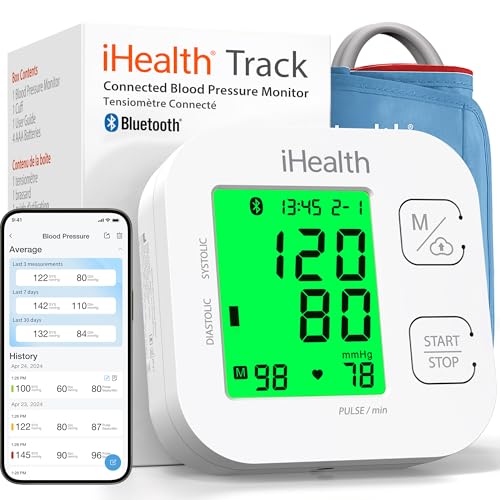
- Blood pressure and heart rate baseline
- Stress test if cardiovascular concerns exist
- Breathing function evaluation
Safe Introduction Protocol for Medical Conditions
Gradual Exposure Method
If your healthcare provider approves cold plunge therapy, use this conservative introduction protocol:
Week 1-2: Cold showers only (60-70°F water, 30 seconds)
Week 3-4: Cold showers (50-60°F water, 1-2 minutes)
Week 5-6: Shallow cold water exposure (knees/waist deep, 65°F, 30 seconds)
Week 7+: Full cold plunge if well-tolerated (60°F, 1-2 minutes maximum)
Monitoring and Safety Protocols
Essential safety measures for people with medical conditions:
- Never plunge alone: Always have a trained partner present
- Monitor vital signs: Check heart rate and blood pressure regularly
- Emergency plan: Know how to exit quickly and warm up immediately
- Communication device: Keep phone accessible for emergencies
- Heating source: Have warm towels, blankets, or heating pads ready
Warning Signs to Stop Immediately
Recognize these danger signals that require immediate exit from cold water:
- Chest pain or pressure
- Difficulty breathing or wheezing
- Dizziness or lightheadedness
- Irregular or racing heartbeat
- Severe shivering that won't stop
- Confusion or mental changes
- Numbness in extremities
- Blue lips or fingernails
If any of these symptoms occur, exit the water immediately, warm up gradually, and seek medical attention if symptoms persist.
Alternative Cold Therapy Options
If full cold plunging isn't safe for your condition, consider these alternatives:
Cold Showers
Gentler introduction with better control over temperature and duration. Start with 30 seconds at the end of regular showers.
Cryotherapy Chambers
Controlled environment with professional supervision, typically lasting 2-3 minutes at -200°F to -250°F.
Ice Packs or Cold Compression
Localized cold therapy for specific areas without full-body stress response.
Cool Swimming
Swimming in cooler (but not ice-cold) water provides some benefits with less shock to the system.
Essential Safety Gear for Medical Conditions
Recommended safety equipment for safer cold plunging:
- Waterproof fitness tracker for heart rate monitoring
- Non-slip bath mats for safe entry/exit
- Emergency whistle for alerting helpers
- Quick-heating towel warmers
- Digital water thermometer for accuracy
Working with Healthcare Professionals
Building a healthcare team that understands cold therapy ensures the safest approach:
Questions to Ask Your Doctor
- Is cold plunge therapy safe given my medical history?
- What temperature and duration limits should I observe?
- Do any of my medications interact with cold exposure?
- What warning signs should I watch for?
- How often should I have check-ups while doing cold therapy?
- Are there specific tests I need before starting?
Specialist Consultations
Consider consulting specialists based on your conditions:
- Cardiologist: For heart conditions
- Pulmonologist: For breathing issues
- Endocrinologist: For diabetes or thyroid conditions
- Neurologist: For nervous system conditions
- Psychiatrist: For mental health concerns
Legal and Insurance Considerations
Important administrative considerations for cold plunge therapy with medical conditions:
Documentation
- Keep written medical clearance from doctors
- Document any modifications or restrictions
- Maintain logs of sessions and any symptoms
- Update medical team on progress regularly
Insurance Coverage
While cold plunge therapy is typically not covered by insurance, related medical consultations and monitoring may be. Check with your insurance provider about coverage for:
- Preventive medical consultations
- Stress testing if required
- Monitoring equipment like heart rate monitors
- Emergency care if needed
Frequently Asked Questions
Can I do cold plunges if I have high blood pressure?
Cold water can temporarily raise blood pressure significantly. If you have hypertension, you must get clearance from your doctor first. They may recommend specific parameters or monitoring protocols. Never attempt cold plunging with uncontrolled high blood pressure.
Is cold plunging safe with diabetes?
Diabetes requires special consideration because cold stress can affect blood sugar levels and circulation. People with diabetic neuropathy may not feel temperature extremes properly, increasing injury risk. Consult your endocrinologist and monitor blood sugar closely if approved for cold therapy.
What if I take blood thinners?
Blood thinners increase bleeding risk if you slip, fall, or injure yourself entering or exiting cold water. Discuss with your prescribing physician whether cold plunging is appropriate, and ensure extra safety precautions like non-slip surfaces and assistance.
Can cold plunging trigger asthma attacks?
Yes, cold air and water can trigger bronchospasm in people with asthma, especially exercise-induced or cold-induced asthma. If you have asthma, work with your pulmonologist to develop a plan that may include pre-treatment with bronchodilators.
Is supervision always necessary with medical conditions?
Yes, if you have any medical condition that increases risk, never cold plunge alone. Having a trained partner who knows your condition, recognizes warning signs, and can assist in emergencies is essential for safe practice.