Best Red Light Therapy Panels 2026: Tested & Compared (Every Budget)
By IceColdTubs · Updated July 2, 2026
Quick answer: The best red light therapy panel is one that combines red (~630–660nm) and near-infrared (~810–850nm) wavelengths and publishes real third-party irradiance data (mW/cm²). For most people the Mito Red Light MitoPRO 1500 is the best overall pick; the Hooga HG300 is the best budget face panel under $200, and the Rouge Ultimate covers a full body. Use a panel 6–18 inches away for 5–15 minutes per area, 3–5 times a week — and always pick a brand that lists its irradiance instead of vague “power” claims.
Choosing the best red light therapy panel comes down to three things: the wavelengths it emits, how much usable power (irradiance) reaches your skin, and whether the brand actually publishes those numbers. A good panel delivers a clinical-grade dose of red and near-infrared light at home for targeted skin, recovery, and pain benefits — but output varies enormously between brands, and marketing specs are often inflated. We’ve compared the most popular red light therapy panels of 2026 across every price point so you can match the right one to your budget, body area, and goals.
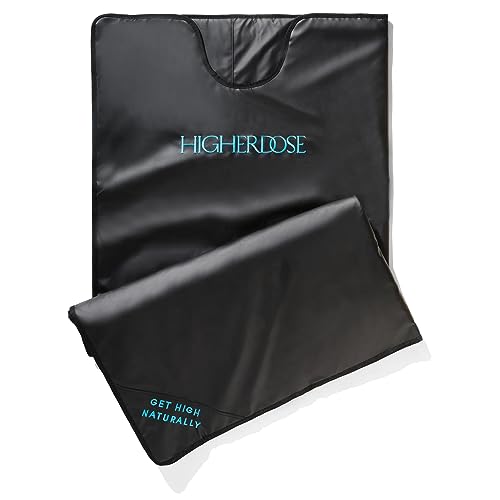
New to light and heat therapy? See how panels fit alongside our best infrared saunas and best sauna blankets for a complete recovery setup. Already sold? Let’s find your panel.
Last updated July 2026: We re-checked current models, wavelengths, and pricing for 2026. Two numbers to anchor your shopping: the wavelengths with the most clinical evidence sit at red ~660 nm and near-infrared ~850 nm, and a quality panel delivers a usable irradiance of roughly 100 mW/cm² at 6 inches — the threshold Mito Red Light and other reputable brands publish third-party test data to prove. Treat any panel that won’t list its measured mW/cm² with suspicion.
Affiliate note: prices and listings change often. We link to live product searches so you can check current pricing and bundles before you buy.
Quick comparison: best red light therapy panels 2026
| Panel | Best for | Wavelengths | Coverage | Typical price |
|---|---|---|---|---|
| Mito Red Light MitoPRO 1500 | Best overall | 630/660/830/850nm | Torso / large area | $700-900 |
| PlatinumLED BIOMAX 900 | Best premium | 480/630/660/810/830/850nm | Large area | $900-1,100 |
| Hooga HG1500 | Best value full-body | 660/850nm | Torso / large area | $450-600 |
| BON CHARGE Red Light Device | Best for travel/face | 660/850nm | Face / targeted | $300-500 |
| Hooga HG300 | Best budget | 660/850nm | Face / small area | $150-200 |
| Rouge Ultimate / Pro | Best for whole-body | 660/850nm | Full body (tall) | $700-1,000 |
1. Best overall — Mito Red Light MitoPRO 1500
The MitoPRO 1500 is the panel most home users end up happiest with. It runs a four-wavelength blend (630, 660, 830, 850nm) so you get both surface (skin) and deep (muscle/joint) coverage from one device, and Mito Red Light publishes third-party irradiance data instead of vague “power” claims. The build is solid, the modular design lets you daisy-chain panels for full-body coverage later, and it strikes the best balance of dose, size, and price.
- Pros: four clinically relevant wavelengths, published irradiance, modular/expandable, strong support.
- Cons: premium price; large panels need wall or stand mounting.
It’s the best pick if you want a proven, well-documented panel that covers your torso and can grow into a full-body setup. Pair light sessions with a cold finish — see our best cold plunge tubs for contrast-style recovery.
Mito Red Light MitoPRO 1500
Why we like it: the best-documented all-rounder — four wavelengths, published irradiance, and a modular design you can expand.
Check Price on Amazon →2. Best premium — PlatinumLED BIOMAX 900
If you want the most advanced panel and don’t mind paying for it, the PlatinumLED BIOMAX 900 layers five-plus wavelengths (including 480nm blue and 810nm near-infrared) for the widest range of skin and tissue applications. It’s one of the highest-irradiance panels you can buy for home use, with excellent build quality and a long warranty. Overkill for casual users — ideal for enthusiasts who want clinical performance.
- Pros: very high irradiance, multi-wavelength versatility, premium build and warranty.
- Cons: highest-tier price; large and heavy.
PlatinumLED BIOMAX 900
Why we like it: multi-wavelength, very high irradiance, and clinical-grade build — the panel for enthusiasts.
Check Price on Amazon →3. Best value full-body — Hooga HG1500
The Hooga HG1500 is the sweet spot for buyers who want large-area coverage with solid red (660nm) and near-infrared (850nm) output at a noticeably lower price than the top tier. Hooga publishes irradiance figures, the panels are well built, and they’re a frequent recommendation for people who want most of the premium experience without the premium cost. If you want to cover your torso or chain panels for full body on a budget, start here.
- Pros: strong dual-wavelength output for the money, published specs, expandable.
- Cons: two wavelengths rather than four; fewer extras than premium brands.
Hooga HG1500 Red Light Panel
Why we like it: large-area dual-wavelength coverage at a mid-range price — the best value full-body panel.
Check Price on Amazon →4. Best for travel & face — BON CHARGE Red Light Device
For targeted facial and small-area sessions, BON CHARGE makes a compact 660/850nm device that’s easy to position and travel with. It’s a great choice if your main goal is skin appearance, fine lines, and spot treatment rather than whole-body recovery. BON CHARGE is known for publishing test data across its wellness range. Read our infrared sauna EMF safety guide for how this brand documents its products.
- Pros: compact and portable, good for face and targeted areas, well documented.
- Cons: small coverage area; not for full-body sessions.
5. Best budget — Hooga HG300
You do not need to spend $700 to start. The Hooga HG300 delivers genuine 660nm + 850nm therapy for around $150-200 and is one of the best-selling entry panels for a reason. Coverage is limited to your face or a small area at a time, but for testing red light therapy or treating a single spot, it’s hard to beat. Many users buy one HG300, see results, then upgrade to a larger panel.
- Pros: excellent price, real dual-wavelength output, trusted brand.
- Cons: small coverage area, slower for whole-body use.
Hooga HG300 Red Light Panel
Why we like it: the cheapest reliable way to start — genuine red + near-infrared therapy for under $200.
Check Price on Amazon →6. Best for whole-body — Rouge Ultimate / Pro
If your priority is treating your entire body in one standing session, tall panels like the Rouge Ultimate and Pro series are built for it. They use 660/850nm at high power across a large vertical area, so you can stand and treat front and back without repositioning a smaller panel. Best for serious daily users with the space (and budget) for a full-height setup.
- Pros: true whole-body coverage, high output, durable build.
- Cons: large footprint, premium price, needs a stand or door mount.
Rouge Whole-Body Red Light Panel
Why we like it: full-height coverage so you can treat your whole body standing — the choice for daily users.
Check Price on Amazon →Red light therapy by the numbers
- 630–660nm and 810–850nm are the two therapeutic windows. Reviews of the photobiomodulation literature (for example Hamblin, AIMS Biophysics 2017) identify red around 660nm and near-infrared around 850nm as the wavelengths best absorbed by cytochrome c oxidase in the mitochondria — which is why dual-wavelength panels target both.
- Dose is measured in joules per cm². Clinical protocols commonly use roughly 5–60 J/cm² per area; a panel delivering ~100 mW/cm² of irradiance reaches a ~6 J/cm² dose in about one minute, which is why published irradiance figures matter more than raw wattage or LED count.
- A panel’s output falls off fast with distance. Manufacturer irradiance data (e.g. Mito Red Light, Hooga) typically shows usable irradiance dropping by more than half between 6 inches and 12 inches from the panel, so the stated treatment distance is as important as the headline mW/cm² number.
How to choose the right red light therapy panel
1. Wavelengths. Look for both red (630-660nm) for skin and surface tissue and near-infrared (810-850nm) for deeper muscle, joint, and recovery benefits. Dual- or multi-wavelength panels cover the most uses; red-only devices are limited to surface treatment.
2. Irradiance (real power). This is the single biggest quality differentiator. Choose a brand that publishes measured irradiance (mW/cm²) at a stated distance — ideally third-party verified. Higher usable irradiance means shorter, more effective sessions. Be skeptical of panels that only list total wattage or “LED count.”
3. Coverage area. A small panel is fine for the face or a single joint. For torso or whole-body recovery you’ll want a larger panel — or a modular system you can expand later, like Mito or Hooga.
4. Build, flicker & EMF. Quality panels use low-flicker drivers and shielded wiring. If low EMF matters to you, choose a brand that documents it — the same way the best sauna blankets publish their EMF data.
5. Warranty & support. For a $300+ purchase, look for a 2-3 year warranty and responsive support. Premium brands (PlatinumLED, Mito) lead here.
Want to understand the deeper science of light and heat? Read our guides to near-infrared vs far-infrared and infrared sauna muscle recovery.
The bottom line
- Most people: the Mito Red Light MitoPRO 1500 — four wavelengths, published irradiance, expandable.
- Best premium: PlatinumLED BIOMAX 900 — multi-wavelength, very high output.
- Best value: the Hooga HG1500 — large-area coverage for far less.
- Tight budget: the Hooga HG300 — start today for under $200.
Whichever you choose, the best red light therapy panel is the one with real, published irradiance and the right wavelengths for your goals — used consistently. Start where your budget is comfortable, prioritize brands that show their numbers, and consider pairing light sessions with whole-body heat from an infrared sauna or sauna blanket, and a cold finish for full contrast therapy.
🛒 Top Picks from This Guide


Browse all our picks →🔥 Today's deals →
Product prices and availability are accurate as of the date/time indicated on each product and are subject to change. Any price and availability information displayed on Amazon.com at the time of purchase will apply to the purchase of this product. As an Amazon Associate we earn from qualifying purchases.