Cold Plunge Sauna Routine: The Complete Guide to Contrast Therapy
The cold plunge sauna routine, also known as contrast therapy, is one of the most powerful wellness practices you can adopt. This ancient method of alternating between hot and cold temperatures provides incredible benefits for recovery, circulation, and overall health. In this comprehensive guide, you'll learn how to create the perfect cold plunge sauna routine for your needs.
What Is a Cold Plunge Sauna Routine?
A cold plunge sauna routine involves alternating between hot sauna sessions and cold water immersion. This practice, rooted in Finnish and Scandinavian traditions, creates a powerful physiological response that enhances recovery, boosts circulation, and provides numerous health benefits.
The contrast between extreme temperatures triggers your body's adaptive mechanisms, leading to improved cardiovascular function, enhanced recovery, and increased resilience to stress. When done correctly, this routine becomes a cornerstone of optimal wellness.
Benefits of Cold Plunge Sauna Routine
Enhanced Circulation
The alternating hot and cold temperatures create a "vascular pump" effect. Heat dilates blood vessels while cold constricts them, creating powerful circulation that delivers oxygen and nutrients throughout your body more efficiently.
Accelerated Recovery
Athletes worldwide use contrast therapy to speed recovery after intense training. The routine reduces inflammation, flushes metabolic waste, and promotes faster healing of muscle tissue.
Stress Adaptation
Regular exposure to controlled stress through temperature extremes builds mental and physical resilience. This practice strengthens your ability to handle stress in all areas of life.
Improved Sleep Quality
The thermoregulatory response triggered by contrast therapy helps regulate your circadian rhythm, leading to deeper, more restorative sleep.
Boosted Immune Function
Studies show that regular sauna and cold exposure can increase white blood cell production and enhance your body's natural defense mechanisms.
The Perfect Cold Plunge Sauna Routine Protocol
Basic Protocol for Beginners
Round 1:
- Sauna: 10-15 minutes at 160-180°F (71-82°C)
- Cold Plunge: 30-60 seconds at 50-60°F (10-15°C)
- Rest: 2-3 minutes at room temperature
Round 2:
- Sauna: 8-12 minutes
- Cold Plunge: 45-90 seconds
- Rest: 2-3 minutes
Round 3:
- Sauna: 5-10 minutes
- Cold Plunge: 60-120 seconds
- Final Rest: 5-10 minutes
Advanced Protocol
Once you've mastered the basic routine, you can extend sessions and add more rounds. Advanced practitioners often complete 4-5 cycles with longer cold exposures up to 3-4 minutes.
Optimal Temperatures for Your Routine
Sauna Temperature Guidelines
- Traditional Dry Sauna: 160-200°F (71-93°C)
- Steam Sauna: 110-120°F (43-49°C) with high humidity
- Infrared Sauna: 120-150°F (49-66°C)
Cold Plunge Temperature Guidelines
- Beginners: 55-65°F (13-18°C)
- Intermediate: 45-55°F (7-13°C)
- Advanced: 35-45°F (2-7°C)
Timing Your Cold Plunge Sauna Routine
Best Times of Day
Morning: An excellent way to energize your day and boost alertness. The cold exposure increases norepinephrine and dopamine for sustained energy.
Post-Workout: Ideal for recovery after intense training sessions. Complete your routine 30-60 minutes after exercise for optimal benefits.
Evening: Can promote relaxation and better sleep when done 2-3 hours before bedtime. End with a moderate cold exposure rather than extended sessions.
Frequency Recommendations
- Beginners: 1-2 sessions per week
- Intermediate: 2-3 sessions per week
- Advanced: 4-5 sessions per week (with rest days)
Equipment Recommendations
Home Sauna Solutions
For your sauna component, consider infrared saunas for home use or traditional barrel saunas for outdoor setups.
Shop Infrared SaunasCold Plunge Tubs
Dedicated cold plunge tubs maintain consistent temperatures and provide the best experience for your routine.
Find Cold Plunge TubsTemperature Tools
Accurate temperature monitoring ensures you maintain optimal conditions for both hot and cold phases.
Browse ThermometersSafety Guidelines and Precautions
Medical Considerations
Always consult with a healthcare provider before starting a cold plunge sauna routine, especially if you have:
- Cardiovascular conditions
- Blood pressure issues
- Pregnancy
- Respiratory conditions
- Any chronic health conditions
Safety Tips
- Hydrate: Drink water before, during, and after your routine
- Listen to your body: Exit immediately if you feel dizzy or unwell
- Never alone: Always have someone nearby, especially when starting
- Gradual progression: Increase exposure times slowly over weeks
- Exit strategy: Know how to quickly exit both sauna and cold plunge
Breathing Techniques for Success
Sauna Breathing
In the sauna, practice slow, deep nasal breathing. This helps regulate your body temperature and extends your comfort in the heat.
Cold Plunge Breathing
Upon entering cold water, focus on controlled breathing. The initial shock triggers rapid breathing, but conscious control helps you adapt faster:
- Take a deep breath before entering
- Breathe slowly and deliberately once immersed
- Use box breathing: 4 counts in, hold 4, out 4, hold 4
- Stay calm and focused on your breath pattern
Building Your Home Setup
Budget-Friendly Options
You don't need expensive equipment to start. Begin with:
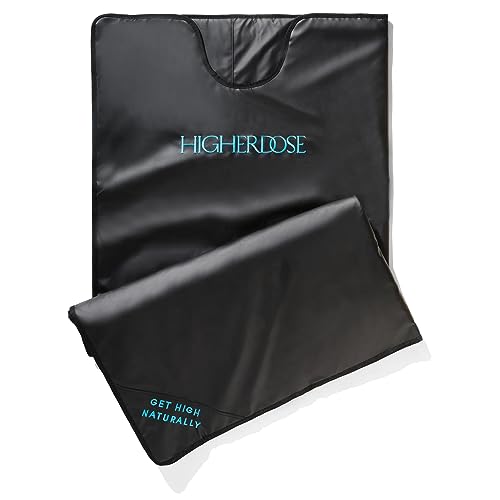
- Portable infrared sauna or sauna blanket
- Large stock tank or inflatable tub for cold water
- Ice or frozen water bottles to maintain temperature
Premium Setup
For the ultimate experience, invest in:
- Dedicated infrared or traditional sauna
- Professional cold plunge tub with chiller
- Temperature monitoring systems
- Comfortable outdoor space for year-round use
Tracking Your Progress
Keep a routine log to track:
- Duration of each sauna and cold session
- Temperatures used
- How you felt during and after
- Sleep quality that night
- Overall energy levels
This data helps you optimize your routine and see measurable improvements over time.
Common Mistakes to Avoid
Too Much Too Soon
The biggest mistake is jumping into extreme temperatures or long durations. Build tolerance gradually over weeks, not days.
Ignoring Hydration
Dehydration kills the benefits and can be dangerous. Drink water consistently throughout your routine.
Inconsistent Practice
Benefits compound with consistency. Sporadic sessions won't build the adaptations that make contrast therapy powerful.
Poor Recovery
Allow adequate rest between sessions, especially when starting. Your body needs time to adapt and recover.
Frequently Asked Questions
How often should I do a cold plunge sauna routine?
Start with 1-2 sessions per week, then gradually increase to 3-4 times weekly as your body adapts. Daily sessions are possible for advanced practitioners but require careful monitoring.
Should I end with hot or cold?
Generally, end with cold exposure for energizing effects or hot exposure for relaxation. For post-workout recovery, ending cold is typically preferred.
What if I don't have access to both sauna and cold plunge?
You can alternate between hot showers and cold showers, though the effects are less pronounced. Even this modified version provides beneficial contrast therapy.
How long before I see benefits?
Many people notice immediate effects like improved energy and mood. Longer-term benefits like enhanced recovery and improved circulation develop over 2-4 weeks of consistent practice.
Can I do this routine every day?
While possible, daily contrast therapy requires careful attention to recovery and hydration. Most experts recommend 4-5 sessions per week maximum, with rest days for optimal adaptation.
Conclusion: Transform Your Wellness with Contrast Therapy
A well-structured cold plunge sauna routine is one of the most powerful tools for enhancing recovery, building resilience, and optimizing health. Start conservatively, focus on consistency, and gradually build your tolerance to experience the full benefits of this ancient practice.
Remember that the perfect routine is one you can maintain long-term. Whether you're using a home setup or visiting a spa, the key is regular practice with proper progression. Your body will adapt and grow stronger with each session, making this routine an invaluable part of your wellness arsenal.