Sauna and Cold Plunge Routine: Complete Guide to Contrast Therapy
The combination of sauna and cold plunge therapy, known as contrast therapy, represents one of the most powerful wellness protocols available today. This ancient practice, refined by modern science, offers profound benefits for recovery, longevity, and overall health when performed correctly.
Whether you're an athlete seeking enhanced recovery, a wellness enthusiast looking to optimize your health, or someone interested in the proven benefits of thermal therapy, this comprehensive guide will teach you everything you need to know about creating and maintaining an effective sauna and cold plunge routine.
Understanding Contrast Therapy: The Science Behind Heat and Cold
Contrast therapy leverages the physiological responses your body has to extreme temperature changes. When you transition from the intense heat of a sauna to the shocking cold of a plunge pool, your body undergoes a cascade of beneficial adaptations.
The Heat Response
During sauna sessions, your core body temperature rises, triggering several important processes:
- Vasodilation: Blood vessels expand, improving circulation
- Heat shock protein production: Cellular protection and repair mechanisms activate
- Increased heart rate: Similar cardiovascular benefits to moderate exercise
- Sweating response: Detoxification and temperature regulation
The Cold Response
The cold plunge triggers an entirely different set of adaptations:
- Vasoconstriction: Blood vessels tighten, pushing blood to vital organs
- Norepinephrine release: Natural mood elevation and focus enhancement
- Brown fat activation: Improved metabolic efficiency
- Anti-inflammatory response: Reduced inflammation markers
The Perfect Sauna and Cold Plunge Routine
Beginner Protocol (Weeks 1-4)
🔥 Sauna Phase
- Temperature: 160-180°F (71-82°C)
- Duration: 10-15 minutes
- Humidity: 10-20% (dry heat preferred for beginners)
❄️ Cold Plunge Phase
- Temperature: 50-60°F (10-15°C)
- Duration: 30-60 seconds
- Entry method: Gradual immersion
📅 Schedule
- Frequency: 2-3 times per week
- Cycles: 2-3 rounds
- Rest between cycles: 5-10 minutes
Intermediate Protocol (Weeks 5-12)
🔥 Sauna Phase
- Temperature: 180-190°F (82-88°C)
- Duration: 15-20 minutes
- Humidity: 15-25%
❄️ Cold Plunge Phase
- Temperature: 45-55°F (7-13°C)
- Duration: 1-2 minutes
- Entry method: Quick immersion with controlled breathing
📅 Schedule
- Frequency: 3-4 times per week
- Cycles: 3-4 rounds
- Rest between cycles: 3-5 minutes
Advanced Protocol (3+ months)
🔥 Sauna Phase
- Temperature: 190-200°F (88-93°C)
- Duration: 20-25 minutes
- Humidity: 20-30%
❄️ Cold Plunge Phase
- Temperature: 38-50°F (3-10°C)
- Duration: 2-4 minutes
- Entry method: Immediate full immersion
📅 Schedule
- Frequency: 4-5 times per week
- Cycles: 4-5 rounds
- Rest between cycles: 2-3 minutes
Step-by-Step Routine Execution
Pre-Session Preparation
- Hydrate properly: Drink 16-24 oz of water 30 minutes before starting
- Eat lightly: Avoid large meals 2-3 hours before your session
- Shower: Rinse off with lukewarm water to remove lotions and oils
- Mental preparation: Set your intention and prepare for the challenge
The Session Protocol
Round 1: Initial Heat Adaptation
Sauna (10-20 minutes):
- Enter the sauna and sit comfortably
- Focus on deep, relaxed breathing
- Allow your body to gradually warm up
- Exit when you feel significantly heated but not distressed
Cold Plunge (30 seconds - 4 minutes):
- Move directly to the cold plunge
- Enter with controlled, steady breathing
- Submerge up to your neck
- Focus on breath control and staying calm
- Exit when you feel the initial shock subside
Rest Period (2-10 minutes)
- Towel off and sit in a comfortable environment
- Allow your body temperature to normalize
- Hydrate with small sips of water
- Notice how your body feels
Subsequent Rounds
Repeat the sauna-cold plunge cycle 2-4 more times, depending on your experience level. Each subsequent round often feels easier as your body adapts to the temperature changes.
Optimal Timing and Frequency
Best Times of Day
| Time | Benefits | Considerations |
|---|---|---|
| Morning (6-10 AM) | Energy boost, improved alertness, sets positive tone for day | Allow 1-2 hours after waking, ensure proper hydration |
| Post-Workout | Enhanced recovery, reduced muscle soreness, improved circulation | Wait 10-15 minutes after exercise to allow initial cooldown |
| Evening (6-8 PM) | Stress relief, improved sleep quality, relaxation | Complete session 2-3 hours before bedtime |
Weekly Schedule Recommendations
- Beginners: 2-3 sessions per week, with at least one rest day between sessions
- Intermediate: 3-4 sessions per week, can do consecutive days occasionally
- Advanced: 4-6 sessions per week, with one full rest day weekly
- Athletes: Daily sessions possible with proper recovery monitoring
Health Benefits of Regular Practice
Physical Benefits
- Improved cardiovascular health: Enhanced circulation and heart function
- Faster recovery: Reduced muscle soreness and inflammation
- Enhanced immune system: Increased white blood cell production
- Better thermoregulation: Improved ability to handle temperature changes
- Increased metabolic rate: More efficient calorie burning
- Improved skin health: Enhanced circulation and detoxification
Mental and Cognitive Benefits
- Stress reduction: Lower cortisol levels and improved stress resilience
- Enhanced mood: Increased endorphin and norepinephrine production
- Better sleep quality: Improved deep sleep and recovery
- Increased mental toughness: Greater ability to handle discomfort
- Improved focus: Enhanced cognitive function and clarity
Essential Equipment and Setup
Home Sauna Options
🏠 Indoor Saunas
Perfect for year-round use and climate control:
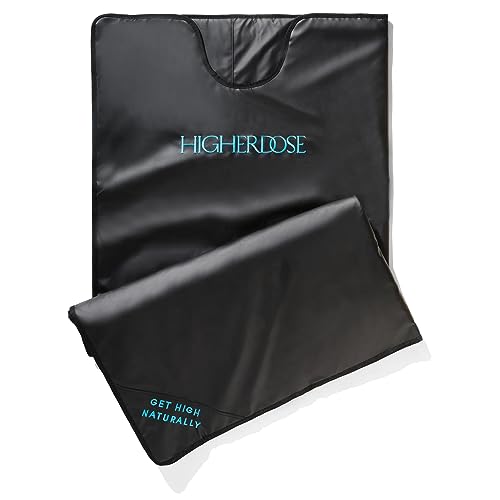
- Infrared saunas for lower power consumption
- Traditional Finnish saunas for authentic experience
- Steam saunas for higher humidity options
Cold Plunge Solutions
🧊 Cold Plunge Options
Choose the right setup for your space and budget:
- Dedicated cold plunge tubs: Professional-grade with chillers
- Chest freezer conversions: DIY option with temperature control
- Inflatable ice baths: Portable and budget-friendly
- Stock tanks: Large capacity, requires ice or chiller
Essential Accessories
- Digital thermometers: For accurate temperature monitoring
- Timers: To track session duration
- Non-slip mats: For safety when entering/exiting
- Towels: Quick-dry towels for between sessions
- Water bottles: For proper hydration
- Robes: Comfortable warmth during rest periods
Safety Guidelines and Precautions
Medical Considerations
Consult your doctor before starting if you have:
- Heart conditions or cardiovascular disease
- Blood pressure issues (high or low)
- Pregnancy or nursing
- Diabetes or metabolic disorders
- Recent surgeries or injuries
- History of heat stroke or cold intolerance
Session Safety Rules
- Never exceed your comfort zone drastically
- Always have someone nearby when possible
- Exit immediately if you feel dizzy, nauseous, or unwell
- Maintain proper hydration throughout
- Don't hold your breath in the cold plunge
- Warm up gradually after cold exposure
Warning Signs to Stop
- Chest pain or irregular heartbeat
- Severe dizziness or lightheadedness
- Nausea or vomiting
- Difficulty breathing or hyperventilation
- Numbness or loss of sensation
- Confusion or disorientation
Common Mistakes to Avoid
Temperature and Timing Errors
- Starting too extreme: Begin with moderate temperatures and shorter durations
- Ignoring adaptation period: Allow your body 2-4 weeks to adapt
- Inconsistent temperatures: Track and maintain consistent conditions
- Rushing the process: Take time to properly warm up and cool down
Breathing and Mental Mistakes
- Panic breathing: Practice controlled breathing techniques
- Fighting the sensation: Learn to relax into the discomfort
- Negative self-talk: Develop positive mental cues
- Comparing to others: Focus on your own progress
Advanced Techniques and Variations
Breathing Protocols
Wim Hof Method Integration:
- Perform 30 deep breaths before entering the sauna
- Use controlled breathing during heat exposure
- Practice breath retention during cold plunge entry
- Return to normal breathing once adapted to cold
Progressive Overload
Just like physical training, gradually increase the challenge:
- Week 1-2: Focus on consistency and form
- Week 3-4: Extend session duration by 30 seconds
- Week 5-8: Lower cold plunge temperature by 2-3 degrees
- Week 9-12: Increase sauna temperature by 5-10 degrees
- Month 4+: Add additional cycles or daily sessions
Tracking Progress and Results
Metrics to Monitor
| Metric | How to Measure | Expected Improvements |
|---|---|---|
| Cold tolerance | Time spent in cold plunge | 50-100% increase in 4-8 weeks |
| Heat tolerance | Comfortable sauna duration | 25-50% increase in 2-4 weeks |
| Recovery rate | Heart rate return to baseline | Faster normalization over time |
| Sleep quality | Sleep tracker or subjective rating | Improved deep sleep within 1-2 weeks |
Subjective Improvements to Notice
- Increased energy levels throughout the day
- Better mood and stress resilience
- Faster recovery from workouts
- Improved cold tolerance in daily life
- Enhanced mental clarity and focus
- Better sleep quality and duration
Frequently Asked Questions
How long should I wait between sauna and cold plunge?
Move directly from sauna to cold plunge without delay. The contrast effect is maximized when the temperature change is immediate. However, if you feel dizzy or overheated, take 30-60 seconds to stabilize before entering the cold water.
Should I end on hot or cold?
For most people, ending on cold provides better benefits for alertness and mood. However, if you're doing evening sessions for relaxation, ending with a brief warm shower can promote better sleep. Listen to your body and adjust based on your goals.
Can I do contrast therapy daily?
Yes, daily practice is possible once you've built up tolerance over 2-3 months. Start with every other day and gradually increase frequency. Advanced practitioners often do daily sessions, but always monitor for signs of overtraining or fatigue.
What should I drink during sessions?
Water is best. Avoid caffeine before sessions as it can increase anxiety during cold exposure. Electrolyte drinks can be helpful for longer sessions or if you sweat heavily. Avoid alcohol completely as it impairs thermoregulation.
How do I know if the temperatures are right?
The sauna should feel hot but not unbearable - you should be able to breathe comfortably. The cold plunge should feel shocking initially but become tolerable within 15-30 seconds. Use digital thermometers for accuracy rather than guessing.
🌟 Ready to Start Your Contrast Therapy Journey?
Building the perfect sauna and cold plunge routine takes time, patience, and the right equipment. Start with quality basics and gradually build your tolerance and equipment as you progress.