Sauna and Alcohol: Is It Safe to Drink Before or After? (2026)
By IceColdTubs · Updated August 22, 2026
Quick answer: Don’t combine alcohol with sauna or cold-plunge use. A 2008 forensic study of Finnish sauna deaths found alcohol involved in 50% of cases, and Finland estimates alcohol contributes to roughly 20-25 sauna deaths a year. The mechanism is compounding vasodilation and blood-pressure drop — alcohol does it one way, sauna heat does it another, and together they raise the odds of fainting or a cardiac event well beyond what either does alone. Wait at least 30-60 minutes and fully rehydrate before drinking after a session, and never cold plunge while intoxicated — impaired judgment near a tub of ice water is its own separate hazard.
Last updated August 22, 2026: corrected a citation — the 2015 JAMA Internal Medicine Laukkanen study’s “40% lower risk” figure actually refers to all-cause mortality, not fatal cardiovascular disease specifically; the study’s correctly-matched fatal-cardiovascular-disease figure is 50% (HR 0.50, 95% CI 0.33-0.77), fixed in both instances below.
Sauna culture and alcohol have been intertwined for a long time, especially in Finland, where both traditions run deep. But “traditional” doesn’t mean “safe,” and the forensic data on sauna deaths is unambiguous about which factor shows up most often. Here’s what the research actually says about drinking before, during, or after heat and cold exposure — and the practical timing that keeps a session safe rather than risky.
What the Finnish death data actually shows
The most-cited study here is Kenttämies and Karkola’s 2008 analysis in the Journal of Forensic Science, which reviewed every documented sauna death in Finland from 1990 to 2002 using police reports, autopsy records, and toxicology results. The topline numbers: the annual death rate from sauna use was under 2 per 100,000 people — genuinely rare, especially given how often Finns sauna — but of the deaths that did occur, 50% involved someone under the influence of alcohol at the time.
That statistic holds up across other Finnish sources too. With a population of roughly 4.8 million, Finland estimates alcohol as a contributing factor in about 20-25 sauna-related deaths every year — a small number in absolute terms, but a striking share given how infrequently sauna use is dangerous when alcohol isn’t involved.
Why the combination is riskier than either one alone
Alcohol and sauna heat both lower blood pressure, just through different mechanisms. Alcohol is a vasodilator on its own, widening blood vessels and dropping blood pressure as your body processes it. Sauna heat does something similar — your body sends blood to the skin to shed heat, which also dilates vessels and drops blood pressure. Layer the two on top of each other and you get a sharper, faster blood-pressure drop than either produces individually, which is the mechanism behind the fainting and hypotension-driven cardiac events that show up in the forensic literature.
There’s a second problem that’s less about physiology and more about awareness: alcohol dulls the early warning signs — dizziness, overheating, nausea — that would normally tell you to step out of the heat. A sober person who starts feeling lightheaded in a sauna usually leaves. An intoxicated person is more likely to miss that signal, or to be too impaired to act on it, which is part of why the Kenttämies study specifically recommends not leaving intoxicated bathers unattended.
It’s worth being precise about what this data does and doesn’t say. Regular, moderate sauna use by itself is linked to real cardiovascular benefits — a separate, well-known Finnish cohort study (Laukkanen et al., JAMA Internal Medicine, 2015) found men who used a sauna 4-7 times a week had a 50% lower risk of fatal cardiovascular disease than those who used one once a week or less (the study’s related but distinct all-cause-mortality figure is 40%). That protective association is about sauna heat alone, in a sober state, used consistently over years. It says nothing about drinking during or right before an individual session, which is a completely different physiological scenario.
Timing: how long to wait
| When | Guidance | Why |
|---|---|---|
| Before a sauna or cold plunge | Don’t drink at all beforehand | Alcohol’s vasodilation and blunted cold-response stack directly on top of the session’s own physiological load |
| During a session | Never | This is when the compounded hypotension and awareness-dulling risk is highest |
| After a sauna, before alcohol | Wait 30-60 minutes minimum | You’re still dehydrated and vasodilated immediately post-session; alcohol absorbs faster and hits harder in that state |
| After a cold plunge, before alcohol | Wait until you feel fully warmed and steady | Cold exposure has its own cardiovascular load (rapid vasoconstriction, elevated heart rate on entry); adding alcohol on top before you’ve stabilized isn’t a well-studied combination, so the conservative move is to wait it out |
The core idea in every row is the same: your cardiovascular system is already working through the sauna or cold-plunge stress response, and alcohol asks it to do something else demanding at the same time. Giving yourself a real recovery window — not just a few minutes — before drinking removes that overlap.
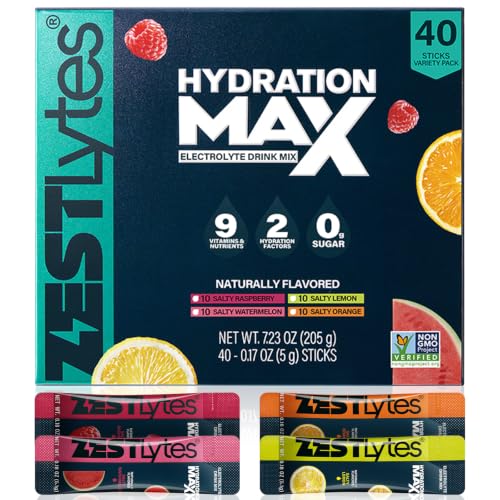
Electrolyte Hydration Packets
Why we like it: proper rehydration in that 30-60 minute post-sauna window matters more for how you'll feel than anything else on this list — plain water works, but electrolyte packets replace what you actually sweated out.
Check Price on Amazon →Stocking your sauna room or plunge setup straight from Amazon? A free Prime trial gets accessories like these to your door in two days — start your free Prime trial.
Alcohol and cold plunging: a different but related risk
The alcohol concern with cold plunging isn’t primarily about blood pressure the way sauna is — it’s about impaired judgment next to a tub of ice water. Cold-plunge safety guidance from operators like Morozko Forge and Plunge Junkies consistently advises against plunging under the influence for a few concrete reasons: alcohol impairs the coordination you need to get in and out of a tub safely (a wet, cold surface next to standing water is already a slip hazard sober), and it blunts your body’s normal shivering and vasoconstriction response — the mechanisms that keep your core temperature from dropping too fast during cold exposure.
There’s also a straightforward drowning-adjacent risk that doesn’t apply to sauna use: if someone becomes lightheaded or loses consciousness in a sauna, they’re sitting or lying on a dry bench. If the same thing happens in a cold-plunge tub, they’re in water. That distinction alone is why plunge operators are especially direct about never using a tub while intoxicated, even for otherwise-healthy adults.
Sauna, alcohol, and cardiovascular risk, by the numbers
- 50%. The share of all documented Finnish sauna deaths (1990-2002) that involved someone under the influence of alcohol, per the 2008 Journal of Forensic Science study by Kenttämies and Karkola.
- 20-25 deaths per year. Finland’s estimate of alcohol-attributed sauna deaths annually, out of a population of roughly 4.8 million.
- 50% lower risk. The reduction in fatal cardiovascular disease for men who used a sauna 4-7 times a week versus once a week or less, per the 2015 JAMA Internal Medicine Laukkanen cohort study on sober, regular sauna use — the protective side of the story, distinct from the alcohol-related risk above.
The bottom line
- Don’t drink before, during, or immediately after a sauna or cold-plunge session — alcohol’s vasodilation compounds directly with sauna heat’s own blood-pressure effects, and half of documented Finnish sauna deaths involved alcohol.
- You can’t sweat out alcohol — your liver does essentially all the metabolizing; a hot sauna just adds dehydration on top of whatever’s still in your system.
- Wait at least 30-60 minutes post-sauna and rehydrate first before having a drink, since you’re still dehydrated and vasodilated right after a session.
- Never cold plunge while intoxicated — the risk here is more about impaired coordination and judgment next to a tub of water than blood pressure specifically.
- This doesn’t contradict sauna’s real cardiovascular benefits — those come from regular, sober use over time, a completely different scenario from drinking around an individual session.
New to heat or cold exposure generally? Our sauna for beginners guide covers safe session length and pacing, and our sauna safety guide rounds out the other precautions worth knowing before your first few sessions. Recovering from a procedure rather than just easing into the habit? See our guide on cold plunging after surgery. Managing diabetes alongside heat or cold exposure has its own separate risk profile — see our guide to sauna and cold plunge for diabetics. Dealing with eczema-prone skin? Sweat is its own documented trigger, unrelated to alcohol — see our guide to sauna and eczema. Tempted to sweat out a hangover the morning after instead of drinking during a session? The dehydration math works against you there too — see our guide to sauna and hangovers. Prone to gout? The same sweat-driven dehydration can concentrate uric acid — see our guide to sauna and gout. Alcohol itself also affects blood pressure independent of the sauna — see our guide to sauna and blood pressure for what a session does to your numbers on its own. Alcohol is also a well-documented testosterone suppressor in its own right, separate from sauna heat — see our guide to sauna and testosterone for what the sauna research actually shows.
🛒 Top Picks from This Guide


Browse all our picks →🔥 Today's deals →
Product prices and availability are accurate as of the date/time indicated on each product and are subject to change. Any price and availability information displayed on Amazon.com at the time of purchase will apply to the purchase of this product. As an Amazon Associate we earn from qualifying purchases.