Sauna for Endometriosis: What the Heat Therapy Research Actually Shows (2026)
By IceColdTubs · Updated October 4, 2026
Quick answer: No study has tested sauna specifically on endometriosis patients, but a 2018 meta-analysis of 6 randomized trials (Jo & Lee, Scientific Reports) and a 2004 controlled trial (Akin et al., Journal of Reproductive Medicine) both found heat therapy beat acetaminophen for menstrual pain generally — a related but distinct condition from endometriosis itself. On the cold side, the University of Adelaide’s EndoChill study has a pilot trial specifically underway testing cold water immersion for endometriosis pelvic pain, but it hasn’t published results yet. The World Health Organization puts endometriosis prevalence at roughly 10% (190 million) of reproductive-age women worldwide, with a 4-12 year average diagnostic delay.
Endometriosis is a chronic condition where tissue similar to the uterine lining grows outside the uterus, and it’s genuinely different from ordinary menstrual cramps in both cause and severity. That distinction matters here: most of what gets cited online as “sauna helps endometriosis” is actually dysmenorrhea (period pain) research being quietly relabeled. Here’s what’s actually been studied on each side, and what’s still an open question.
What the heat therapy evidence actually covers
The strongest heat-therapy evidence available doesn’t come from endometriosis trials — it comes from dysmenorrhea (menstrual cramp) research, a related but medically distinct condition.
A 2018 systematic review and meta-analysis in Scientific Reports (Jo & Lee) pooled 6 randomized controlled trials and found heat therapy produced meaningfully better pain relief than acetaminophen or no intervention for menstrual pain — the heating-pad-vs-analgesic comparison alone pooled 274 participants across 3 trials (SMD -0.72, 95% CI -0.97 to -0.48, p<0.001), a real and fairly large effect size. Separately, a 2004 controlled trial in the Journal of Reproductive Medicine (Akin et al.) tested a continuous, low-level topical heat wrap against acetaminophen for dysmenorrhea and found the heat wrap won on pain relief — and also reduced fatigue and mood swings, side effects acetaminophen doesn’t touch. A newer 2026 systematic review in Frontiers in Medicine (Yuan et al.) found heat therapy delivered comparable analgesic efficacy to NSAIDs for primary dysmenorrhea, with a better safety profile since it skips the GI and cardiovascular risks of regular NSAID use.
None of those three studies enrolled endometriosis patients specifically. Dysmenorrhea is common, cyclical uterine-contraction pain; endometriosis is tissue growth outside the uterus that can cause pain unrelated to the menstrual cycle, plus infertility and bowel/bladder symptoms WHO specifically flags as part of the condition. The mechanisms proposed for why heat works — vasodilation, improved microcirculation, clearance of prostaglandins and other inflammatory mediators, nociceptor desensitization — are plausible extensions to endometriosis-related pelvic tension, but extension isn’t evidence. No trial has actually tested them in an endometriosis population.
The one study testing cold immersion on endometriosis directly
Cold plunge marketing content around endometriosis is thinner and less careful than the sauna side, but there’s one genuinely relevant development: the University of Adelaide’s EndoChill study, led by Neuroimmunopharmacology Laboratory Head Professor Mark Hutchinson alongside Dr. Kelsi Dodds and Endometriosis Group founder Professor Louise Hull, and run in partnership with the Wilson Foundation, is specifically studying cold water immersion — structured around the Wim Hof Method’s breathing, meditation, and cold-exposure protocol — in people with endometriosis. The actual protocol: a baseline ultrasound (to measure lesion characteristics) and blood test, then a 3-hour workshop teaching the breathing/meditation/cold-immersion technique, followed by a 12-week self-administered intervention phase — with optional supervised cold-water immersion sessions twice a week for participants who want them, capping at roughly six in-person visits over six months — and an 8-week follow-up, with repeat bloodwork and wellbeing surveys at the halfway and final stages.
As of this writing, that’s a launched pilot, not a completed study with published results — it’s the first study we could confirm that’s actually testing cold immersion in an endometriosis population rather than a general or healthy cohort, which is worth knowing about, but it’s not yet something to cite as proof of benefit.
The real caution on the cold side
Cold water immersion causes vasoconstriction — blood vessels narrowing in response to cold — and that raises a genuine, if unconfirmed, concern for endometriosis specifically: some clinicians and patient-reported accounts note that cold exposure can tighten already-tense pelvic and abdominal muscles and worsen cramping in some women, particularly around ovulation or during menstruation. There’s no controlled trial confirming this effect size, and there’s also no trial ruling it out — it sits in the same “plausible but untested” category as the heat-based pelvic-floor-relaxation theory, just working in the opposite direction. If a cold session leaves you more crampy rather than less, that’s useful personal signal, not something to override.
Sauna vs. cold plunge for endometriosis: what’s proven vs. plausible
| Sauna (heat) | Cold plunge | |
|---|---|---|
| Direct endometriosis trial | None | 1 pilot underway (University of Adelaide, unpublished) |
| Related-condition trial evidence | Strong — 3 controlled studies on dysmenorrhea heat therapy | None specific to menstrual/pelvic pain |
| Proposed mechanism | Vasodilation, pelvic floor muscle relaxation | Reduced inflammation via cold exposure (general, not endometriosis-specific) |
| Documented caution | None specific to endometriosis | Possible vasoconstriction-driven cramping, unconfirmed |
| Bottom line | Better-supported by adjacent evidence | Genuinely being studied directly, but no results yet |
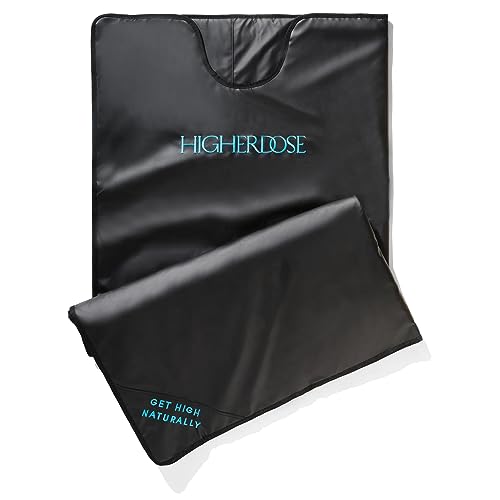
Low-EMF Heating Pad for Between Sessions
Why we like it: the dysmenorrhea heat-therapy trials that showed real pain relief (Akin et al., Jo & Lee) used continuous, low-level heat rather than a single hot session — a wearable heating pad extends that same documented mechanism between sauna days.
Check Price on Amazon →Tracking symptoms or just want something to focus on during a longer heat session while you wait for the next study to publish? Start a free Audible trial and queue up something to listen to.
Endometriosis and heat/cold therapy, by the numbers
- 10% (190 million). WHO’s estimate of how many reproductive-age women and girls worldwide have endometriosis.
- 4 to 12 years. WHO’s cited average diagnostic delay from first symptoms to confirmed diagnosis.
- 25-50%. The share of people experiencing infertility who, per WHO, also have endometriosis.
- 6 RCTs. The number of randomized controlled trials pooled in the 2018 Jo & Lee Scientific Reports meta-analysis finding heat therapy beat acetaminophen for menstrual pain.
- 12 weeks + 8-week follow-up. The intervention and follow-up length of the University of Adelaide’s EndoChill pilot trial testing cold water immersion specifically in endometriosis patients.
- -0.72 SMD. The pooled effect size (274 participants, 3 trials) by which heating pads beat analgesic medication for menstrual pain in the 2018 Jo & Lee meta-analysis.
Updated October 2026: added the EndoChill trial’s actual protocol details (baseline ultrasound/bloodwork, 3-hour workshop, 12-week self-administered intervention with optional twice-weekly supervised sessions, 8-week follow-up) in place of the earlier, vaguer “12-month pilot” description, plus the precise effect size behind the Jo & Lee heat-therapy finding.
The bottom line
- No sauna trial has ever enrolled endometriosis patients — the heat-therapy evidence that exists is for dysmenorrhea (menstrual cramps), a related but medically distinct condition, and treating it as endometriosis-specific proof overstates what’s known.
- The dysmenorrhea evidence is genuinely strong on its own terms — 3 separate controlled studies (Jo & Lee 2018, Akin et al. 2004, Yuan et al. 2026) found heat therapy matched or beat acetaminophen/NSAIDs for menstrual pain.
- A real endometriosis-specific cold-immersion trial is underway at the University of Adelaide, but it’s an unpublished pilot — worth watching, not yet worth citing as evidence of benefit.
- Cold-induced vasoconstriction is a plausible, unconfirmed risk for worsening pelvic cramping in some women — if cold sessions make you crampier, trust that signal over general cold-plunge marketing claims.
- Endometriosis affects roughly 1 in 10 reproductive-age women globally and takes 4-12 years to diagnose on average, per WHO — a scale and diagnostic gap that outweighs either therapy’s evidence base in importance.
Managing hormone-related pain more broadly? Our sauna for menopause guide and cold plunge for perimenopause guide cover two other hormonal transitions where the heat and cold research is similarly limited but genuinely growing. Living with a different chronic pain condition? Our sauna for fibromyalgia guide covers a related Raynaud’s-style cold-sensitivity caution worth knowing before you try cold plunge for any chronic pain condition. New to heat exposure generally? Our sauna for beginners guide covers session length and pacing that applies here too.
🛒 Top Picks from This Guide


Browse all our picks →🔥 Today's deals →
Product prices and availability are accurate as of the date/time indicated on each product and are subject to change. Any price and availability information displayed on Amazon.com at the time of purchase will apply to the purchase of this product. As an Amazon Associate we earn from qualifying purchases.